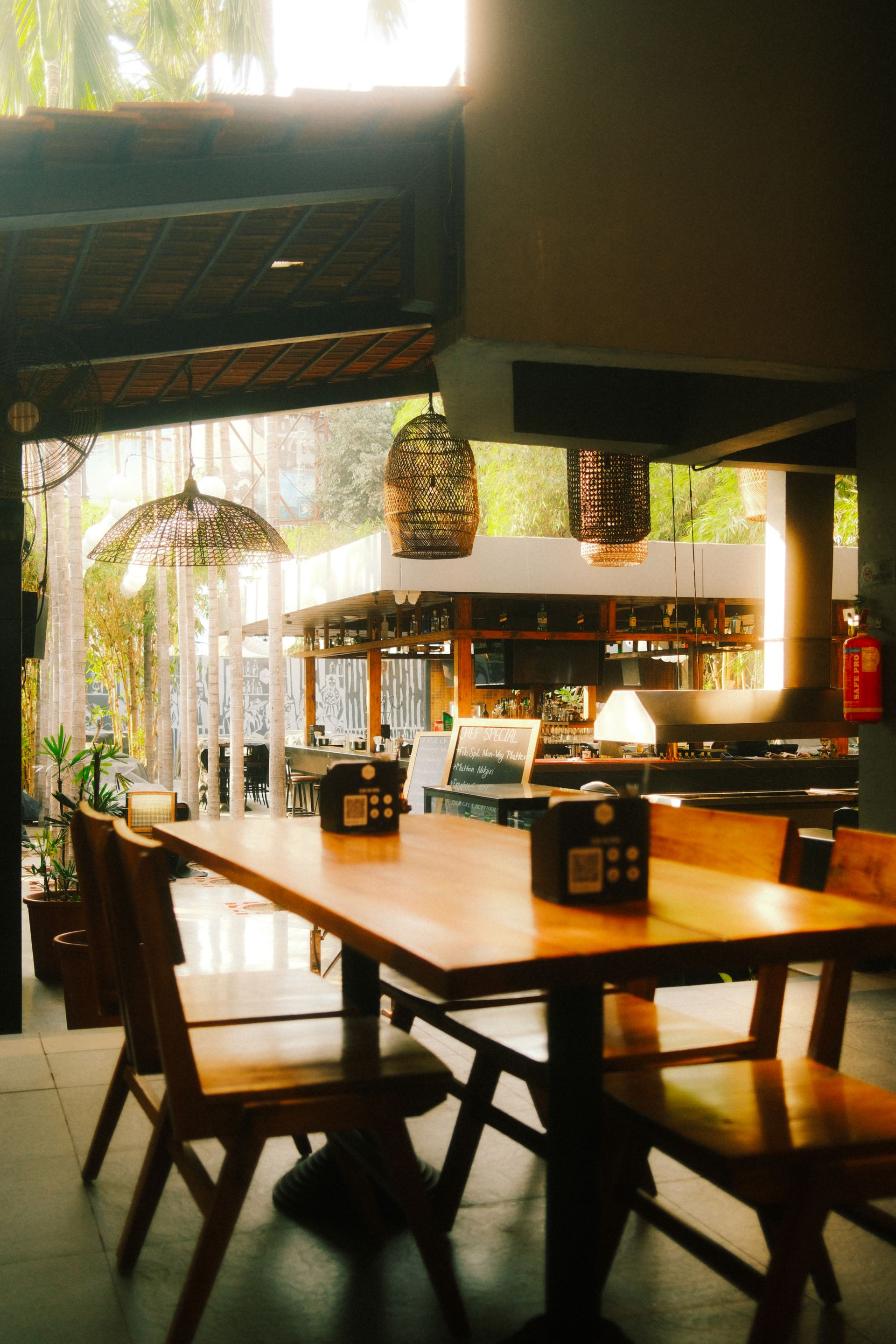
NEFES includes source and rights information in its workflow when using restaurants' real product and venue photos. Rather than adding unnecessary bureaucracy for the social media team, this guide shows when original photos can be used directly and when rights or permission confirmation is required.
Is being tagged the same as having the right to republish?
Tagging a restaurant may mean that a guest sends it a notification to see the photo. However, the tag should not be treated as an unlimited permission document for cropping the photo for advertising, using it on other platforms, or adding it to a paid campaign.
If a photo is to be republished on a business account, the photographer's usage permission, the personal data processing conditions for any recognizable people in the image (where applicable), and the accuracy of the source information are checked. This distinction matters especially for posts that show a customer's face or a child.
Seven-Step Image Permission and Source Matrix
| Step | Question to ask | Practical record |
|---|---|---|
| 1. Source | Who took the photo? | Original post and source name |
| 2. Copyright | Is there appropriate authorization for commercial reuse? | Scope of use and date |
| 3. People | Is any identifiable person shown in the image? | Person consent and processing condition check |
| 4. Purpose | Organic post or paid advertising? | Purpose of use |
| 5. Channel | Instagram only, or other platforms too? | Permitted channels |
| 6. Editing | Are there any crops, text, logo or product changes? | Permission and authenticity check |
| 7. Withdrawal | What is the process if the person concerned objects? | Responsible person and removal process |
The table is not a ready-made legal consent form; it helps organize the documents and decisions the content team needs without unnecessary repetition.
What do official decisions on personal data teach us?
The summary of Personal Data Protection Board Decision No. 2021/422 covers assessments of an employee's photos being shared on a social media account and remaining online despite the employee's objection. A photo being publicly available does not give the right to disregard personal data processing and removal requests. Turkish Personal Data Protection Law (KVKK) Decision 2021/422 Summary.
The Board's Decision No. 2020/58, meanwhile, assessed the use of customers' personal data on publicly accessible social media platforms without their knowledge and for advertising purposes. Using a customer's data for promotional material is a different process from editing an ordinary menu photo. Turkish Personal Data Protection Law (KVKK) Decision 2020/58 Summary.
These decisions relate to specific events; they do not mean the same legal outcome automatically applies to every restaurant photo. If no identifiable person is present, the personal data assessment may differ; however, the photographer's copyright and usage rights remain separate.
How can a simple permission request be written?
Hello, we loved the [photo] you took at our restaurant. Would you allow us to use this image on our account as a [specific organic post/Story], with credit to you as the source? Did you take the photo yourself? If there are other recognizable people in the image, let's also confirm how they can be used.
This sample text does not, on its own, replace a legal permission document in every circumstance. If paid advertising, multiple channels or long-term use are involved, the scope should be documented more clearly and appropriately.
In which three scenarios does the approach change?
1. The photo shows only food. Check the photographer's commercial usage rights and whether the image accurately depicts the real product. Make sure there is no private customer information in it.
2. A restaurant customer's face is visible. For republishing or advertising use, the appropriate legal basis for personal data processing and the necessary permissions are assessed. A customer should not be turned into an advertising face simply because they visited the restaurant.
3. The photo shows a child or a sensitive situation. If such an image is not needed for ordinary product promotion, choosing the business's own food and venue photos may be a simpler and safer solution.
When does reusing a photo become misleading?
Presenting the dish in a guest's photo as a different product, adding more ingredients, placing an imaginary view in the venue, or presenting the photo as an image of another branch is not acceptable. Even when image rights are in order, product and venue accuracy must also be protected.
When adapting a real photo to the brand's style, NEFES keeps records of its source, purpose of use and changes. If no permission is available, requesting the business's own photo shoot may be faster than waiting months for processing on every piece of content.
What to do if a photo removal request comes in?
The request is forwarded to the responsible person, and where the image has been used is located through the records. Organic posts, ad creatives, archive copies and copies on other platforms are handled separately. A request that requires legal review is not automatically rejected simply because the agency manages the account.
Publication check: Is the photo's source known? Are the reuse rights and channel appropriate? Is there a record of any identifiable person and of rights/permission? Is the product real? Is the person responsible for removal requests identified?
Adapt this guide to your business
Save together the link to the image you want to reshare and the intended place of use. Tagging the source account and obtaining usage permission are not the same thing; do not leave the scope of approval unclear.