First, answer the local guest's four questions
Where? The business's correct neighborhood, entrance photo, address and a working map link.
What does it offer? The signature dish or service format actually on the menu that week.
When? Current service and special-day hours; do not describe a restaurant that is not open at night as if it offers night service.
How to order or book? The ordering, phone or table reservation channel actually in use.
If these are not clear, producing more videos may not make the guest's decision any easier. We cover profile and menu checks separately in our restaurant Instagram profile setup guide. This article focuses on planning local Instagram content that answers nearby guests' questions.
Four local content clusters
| Cluster | Which real visual? | Its contribution to the local question |
|---|---|---|
| Finding the business | Entrance sign, approach from the street, permitted exterior facade | Getting to know the venue on a first visit |
| Getting to know the product | Real portion and current signature dish | Understanding what's on the menu |
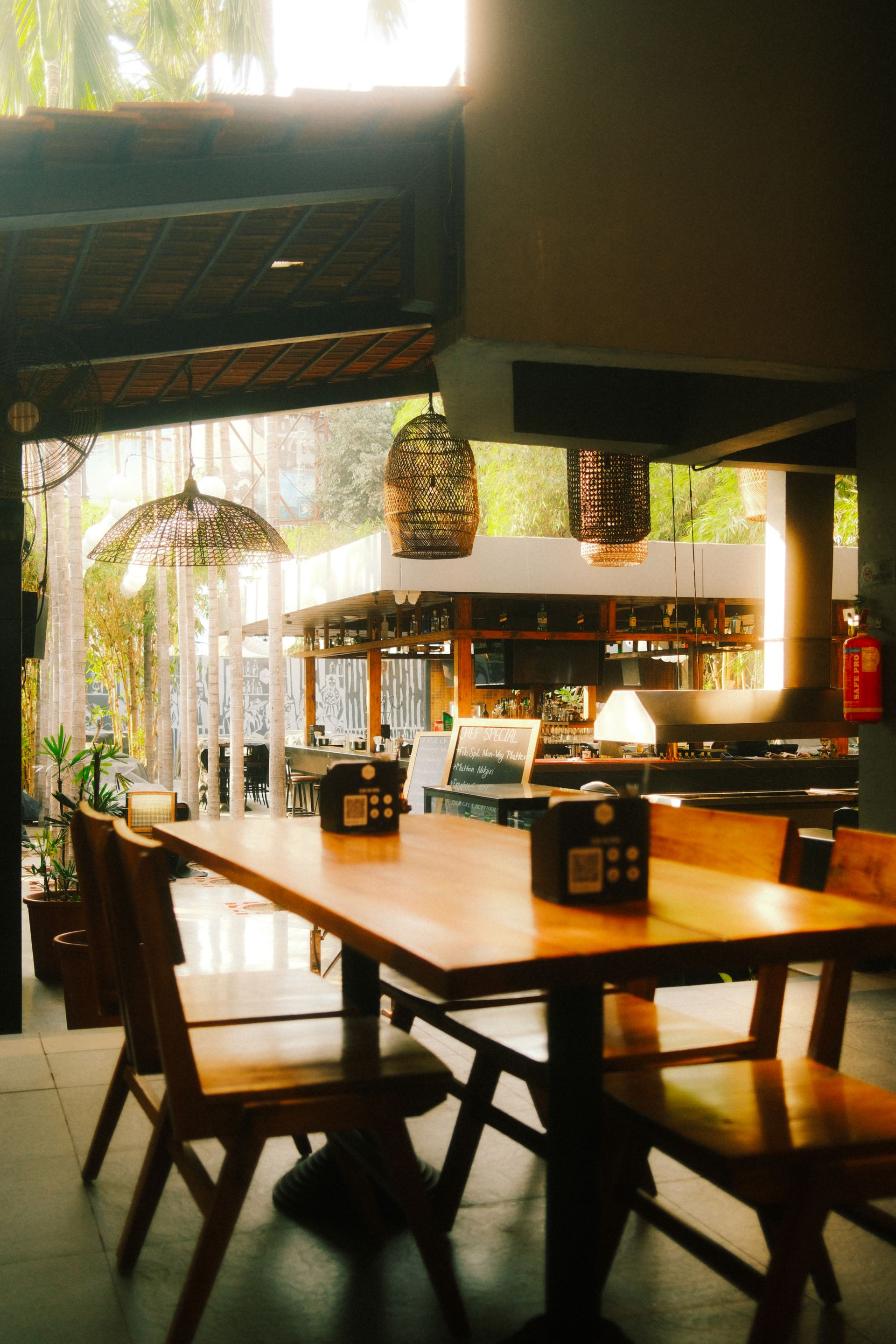
| Visit experience | Real tables, dining room, service setting | Knowing what to expect inside |
| Timing and contact | Current opening hours, menu, and booking route | Finding out whether you can come today |
If a restaurant does not offer takeaway, do not add a “takeaway” card. Do not use the first branch's terrace for the second branch. Showing the venue's identity more attractively does not require inventing physical facilities that do not exist.
Sample four-week local posting flow
| Week | Post/Reels task | Story purpose | Final check |
|---|---|---|---|
| 1 | Approach to the venue and real exterior facade | Location link and opening hours | Is the map correct? |
| 2 | Signature dish and service style | Current menu link | Is the product available today? |
| 3 | Team members who have consented and a real moment from the kitchen | Two questions guests ask often | Is personal permission and information correct? |
| 4 | Restaurant atmosphere or a different real product | Booking/ordering channel | Does the contact link work? |
This table is a four-week editorial example; it does not claim that “one post a week ranks better in the algorithm.” Real shooting quality, business activity and user questions set the priorities.
How should you use the neighborhood name, and how should you not?
If content really relates to a place, it can be mentioned naturally, such as “the entrance to our restaurant in Kadıköy” or “our Beyoğlu branch's weekday service hours.” However, stacking every city and neighborhood name as hashtags one after another can create the impression of serving areas that are not actually part of the content.
Right approach: The business's real location → an image of that location → correct hours and link → the explanation the guest there will need.
Approach to avoid: Producing dozens of fake location posts and SEO pages from a single restaurant photo by swapping in different district names.
Is an Instagram location the same as Google Maps?
No. Instagram is a separate social surface for posts, Stories and profile discovery. Google Business Profile, on the other hand, gives users information about the venue's name, address, hours, menu and photos on Google Search and Maps. It is useful to keep the information sources of the two platforms consistent; Adding a neighborhood tag on Instagram does not guarantee a Google Maps ranking.
According to Google, local search results are mainly based on relevance, distance and prominence. Keep business information accurate and complete; you cannot request or pay for a better local ranking: Google Business Profile local ranking guide.
Google also asks businesses to manage their address, hours, category and access information so that it reflects reality: Business representation guidelines.
How do you keep engagement with the nearby community genuine?
A neighboring business, cultural event or local activity may appear in content only if it is genuinely connected and the necessary permissions are in place. Do not say “there's a festival right next to us this weekend” without verifying the address and date of the actual event.
Tagging another business does not grant a collaboration agreement or sponsored promotion rights. If joint content will be produced, clarify the parties' logo, visual and sharing scope.
What do we measure for local Instagram content?
Content data: Reach, saves, profile visits, and Reels views: platform signals that were actually reached.
Information requests: Suitable records such as menu link clicks, location taps, and opening-hours questions.
Actual business outcome: Orders, table reservations, or visits, but only when they can be verified with the business's authorized records. View count alone is not the number of guests who came.
For example, if many people ask for the location but the menu link does not open, more Reels are not always the answer. Fixing the wrong or missing link first may be more valuable.
NEFES's local restaurant framework
NEFES keeps the restaurant's real food and venue photos, branch information, and customer questions in the brand's content memory. It uses these to build the local post, Story, and Reels plan, drawing on approved information and correct contact links. Final check: Can a guest who sees this post find the restaurant, recognize the product, and understand when it is open and which channel to use to get in touch?
Adapt this guide to your business
Local discovery extends beyond Instagram. Explore NEFES GEO analysis (Turkish) to assess your restaurant’s presence across its website, Google Maps and AI answers separately from paid campaign results.
List the transport and delivery questions that neighborhood customers ask most often. Connect the content to real local information; adding only a city name is not a substitute for a local content plan.