Three decisions before filming
First, identify which service the work to be shared shows: cutting, blow-drying, coloring, styling or treatment. Second, clarify the permissions required to use the recorded image and the scope of use. Third, make sure the camera does not show the real result as if it were a different outcome.
If the before and after shots of a shoot use different lighting, filters or angles, the comparison can become misleading. The goal is not to digitally change the hair's color or density, but to present the hairdresser's real work with well-lit images.
Eight different Reels scenarios
| Idea | Real footage | Story | Final frame |
|---|---|---|---|
| 1. Meeting the master stylist | Consented staff and equipment | Short clip explaining the expertise | Salon name |
| 2. Haircut detail | Scissor and strand movement | Real application of the technique | Correct name of the cut |
| 3. Color consultation | Color chart and work preparation | Expectations and aftercare conversation | Contact for information |
| 4. Blow-dry routine | Real brush and drying | Step-by-step process | Service name |
| 5. The salon's morning | Prepared chair and clean tools | Venue experience | Accurate working hours |
| 6. Hair design detail | Consented, real result frame | Texture of the real design | Related application |
| 7. Team day | Consented staff moments | The salon's work culture | Brand visual |
| 8. Frequently asked question | Treatment preparation or graphic | Explanation of treatment duration | Booking route |
Do not show a service in your salon just to complete this list as if you offer it. Remove the service you don't offer and show another detail of an application you are genuinely strong at.
Sample 15-second shooting plan
0–3 seconds: A real, clear frame showing the treatment type; a two-word descriptive title.
3–7 seconds: Consented preparation or real application. The tool used is clearly visible in close-up.
7–12 seconds: A different but actually filmed detail of the work. No artificial hair is added, and density and color are not altered by algorithm in ways that do not reflect reality.
12–15 seconds: The salon's verified name and current appointment contact channel.
This edit example is not a mandatory time distribution for every hair service; it is arranged according to the length of the real raw footage and what it shows.
Can you make a Reels from a single photo?
A photo can be animated. However, a zoom created from a single frame is not presented as an actually filmed cut or blow-dry process. NEFES creates a short visual with typography and camera movement while preserving the character of the source photo.
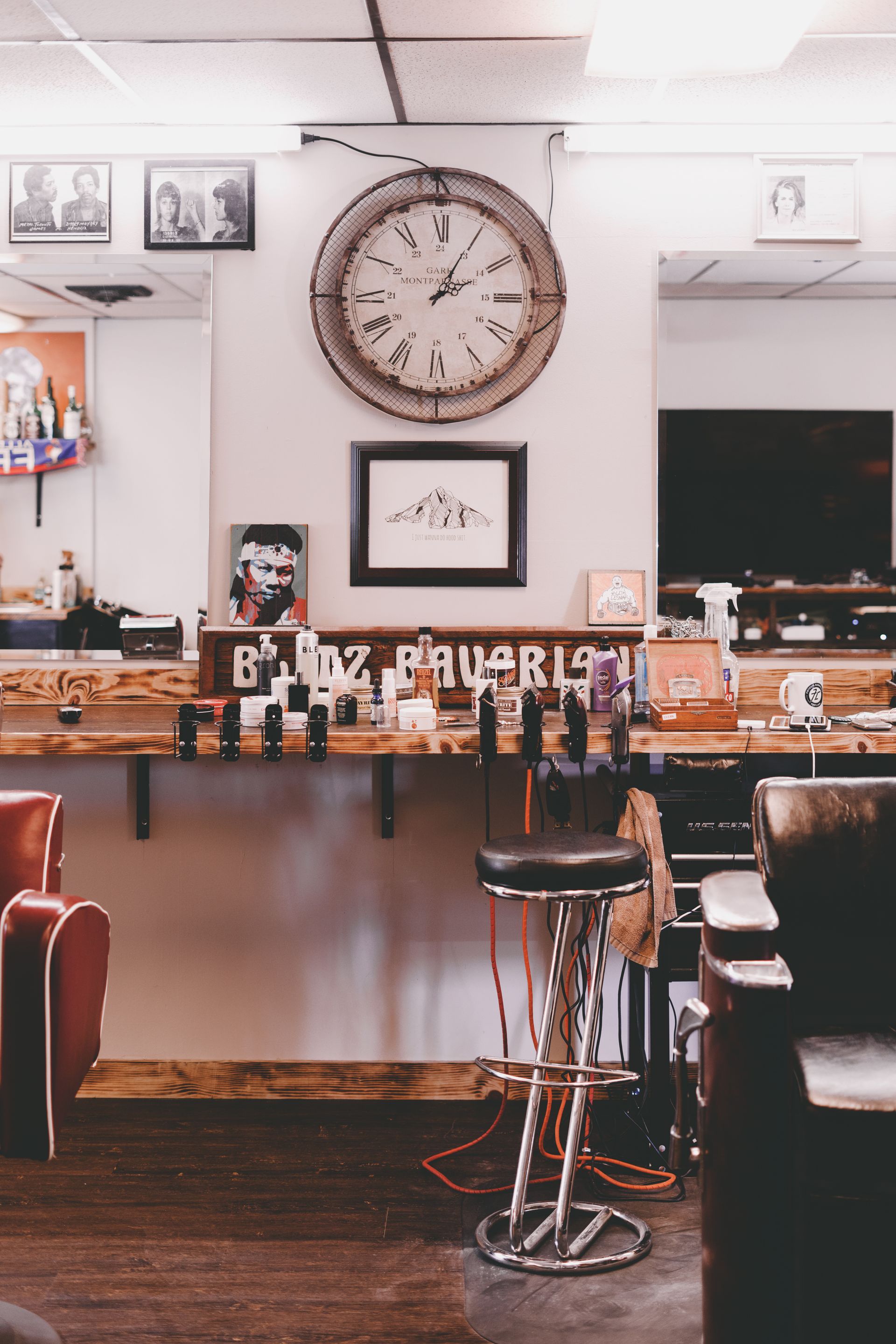
The best footage archive for a hair salon consists of real footage of the salon space, a consented team photo, a detail of the service's tools and process, and a final result photo captured in proper lighting.
Trust and permission in salon service visuals
Before sharing a salon client's hair and face photo, confirm the photo's appropriate rights and permissions for promotional use. A person appearing in the footage does not automatically become an ad model. Private customer information, phone numbers, appointment records and personal circumstances are not added to the caption text.
Promotional layouts specific to medical aesthetics and health services are evaluated separately from these salon scenarios. Do not tie a haircut post and a medical treatment result ad to the same default template.
How do you measure the success of your videos?
Reels reach, save count and profile visits explain content performance. Confirmed appointments must be checked against the salon's real appointment records. Do not interpret DM or WhatsApp clicks directly as the number of filled chairs.
In a monthly content review, examining which real service video generated more meaningful questions can be more useful than only looking at how many people saw the video.
How does NEFES manage the hairdresser's content flow?
The salon shares its real photos, service information, team permissions and that week's priority. Using brand memory, NEFES organizes a plan of short videos, photos, text and publishing, and follows it through with the required approvals and secure message/comment processes.
Quick check: Is the product/service correct? Does the footage really belong to you? Do you have the necessary usage permission? Was no artificial result added? Is the booking route in the final frame up to date?
Adapt this guide to your business
Split the footage into three short main parts that will not disrupt the service: preparation, treatment detail and final look. Share it with usage permission, without misleadingly changing the same person's hair color with different lighting.